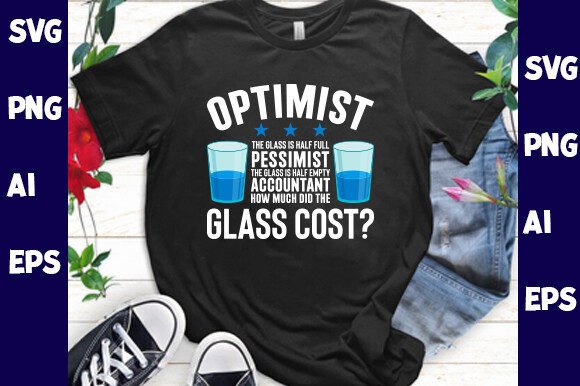
Optimist the Glass Is Half Full Pessimist: Balancing Mindset for Effective Project Planning and Execution
When approaching any creative or business project, mindset plays a critical role in determining both planning and outcome. The concept of “optimist the glass is half full pessimist” reflects a balanced approach—one that combines hope and realism to make informed decisions while staying motivated. This philosophy isn't just about attitude; it's a practical strategy that can be integrated into your workflow when using digital tools like SVG cut files for DIY and handmade product lines.
Understanding the Optimist-Pessimist Balance
The phrase “the glass is half full” represents optimism—seeing opportunities and potential in every task. Conversely, the pessimist looks at the same glass and sees the half that’s empty, focusing on risks and limitations. When these two perspectives are combined, they create a powerful framework for managing expectations and outcomes effectively.
In practical terms, this mindset encourages you to plan with caution while still executing with creativity and confidence. It helps prevent overestimating possibilities without considering constraints and underestimating potential due to unnecessary fear. For professionals and hobbyists working with digital assets such as SVG files, this balance can guide everything from design choices to production timelines.
Applying the Optimist-Pessimist Approach to Creative Projects
Whether you're designing a T-shirt for your handmade business or creating wood signs for a client, maintaining a realistic yet optimistic outlook ensures smoother execution. Let’s explore how this mindset can be applied before, during, and after using digital artwork like an SVG file in your projects.
Before Starting Your Project
Preparation: Before importing your Optimist the Glass is Half Full Pessimist SVG into software like Cricut Design Space or Silhouette Studio, take time to assess the scope. Ask yourself: What are the goals? What resources do I need? What could go wrong?
- Set Realistic Expectations: Recognize the time and effort required but also believe in your ability to deliver high-quality results.
- Choose Compatible Files: Ensure the SVG, PNG, AI, and EPS versions of your design work well with the tools and materials you have. A well-organized file library makes this easier.
- Plan for Contingencies: If you’re printing on fabric or cutting intricate shapes from wood, consider possible errors in alignment or material waste. Plan for adjustments without losing sight of the end goal.
This phase is where the pessimist side tempers overambition, while the optimist keeps the creative energy flowing. Together, they help you avoid common pitfalls and stay on track.
During the Project
Once you’ve imported your Optimist the Glass is Half Full Pessimist SVG file into your preferred design software, the next step is implementation. Here’s how the balanced mindset continues to support you:
- Stay Flexible: As you tweak the design or adjust placement, remain open to new ideas (optimism) but always double-check settings and measurements (pessimism).
- Use Quality Control Measures: Preview your design on the mock-up feature of the software to ensure accuracy. A pessimist would catch small issues before they become big problems.
- Keep Motivated: Celebrate progress, even if it’s minor. An optimistic view reinforces momentum, especially when facing technical challenges or tight deadlines.
By alternating between cautious verification and confident iteration, you maintain efficiency and consistency. This is particularly important when producing multiple items—like tumblers or cards—where uniformity across designs matters.
After Completion
Post-project reflection is where the optimist-pessimist balance truly shines. After you’ve finished using the SVG cut file and produced your final item, ask questions that blend both perspectives:
- Did the design meet its purpose? (Optimist)
- Were there any obstacles that could have been predicted? (Pessimist)
- How can this process be improved next time? (Both)
Documenting these insights helps refine future workflows. For instance, if a specific layer of the SVG didn’t align properly on a mug, note the issue so it can be adjusted in the AI or EPS version before reusing the design.
Integration with Other Tools and Resources
Using an SVG file like Optimist the Glass is Half Full Pessimist often involves more than just design software. It interacts with other elements in your creative ecosystem:
- Material Suppliers: Knowing what type of vinyl or paint you’ll use affects how you apply the design. A pessimist might research durability factors, while an optimist focuses on aesthetic appeal.
- Client Feedback: If you’re using this design for a custom order, collect feedback early and adapt accordingly. This shows flexibility and attention to detail.
- Marketing Strategy: How will you showcase the finished product? Consider SEO-friendly content, social media posts, or packaging descriptions that reflect both the message and quality of the design.
Combining these tools with a balanced mindset ensures that you don’t overlook any part of the process. Whether you're a blogger creating themed party decor or an entrepreneur building a brand around positive affirmations, this approach supports better decision-making and higher-quality output.
Workflow Examples for Practical Use
Let’s look at a few real-world examples of how Optimist the Glass is Half Full Pessimist can be used within different workflows:
Example 1: Handmade Business Product Line
If you're launching a line of motivational mugs, the SVG file serves as the core visual element. Start by downloading the SVG, PNG, AI, and EPS versions. Then:
- Import the SVG into Silhouette Studio for resizing and positioning.
- Test print on a sample mug to check for clarity and color.
- Review the AI file for any complex vector paths that may need simplification.
- Batch-produce the design using the optimized SVG file while keeping notes on each run for quality control.
Here, optimism drives the creative vision, while pessimism ensures each step is executed correctly to maintain product quality and customer satisfaction.
Example 2: Personal DIY Project
Imagine creating a home décor piece using wood and vinyl. You download the Optimist the Glass is Half Full Pessimist SVG and begin:
- Design your layout using the PNG as a reference for visibility.
- Cut the SVG on your Cricut machine, making sure to clean the blade and test on scrap wood first.
- Assemble the pieces, using the AI or EPS file to ensure precision in angles and curves.
- Hang the sign and share your creation online, emphasizing the thoughtful process behind it.
This mindset helps you enjoy the process while minimizing frustration from avoidable mistakes.
Key Factors to Consider for Long-Term Success
To integrate this balanced perspective effectively, keep the following factors in mind:
Compatibility and Usability
Always verify that your SVG file works seamlessly with the software you're using. Some programs may require additional layers or simplified paths. Having the AI and EPS versions available allows for easy editing and ensures compatibility across platforms.
Organization and Efficiency
Organizing your files by project, date, and material streamlines the workflow. Label your SVGs clearly and store them in accessible folders. This practice saves time and reduces errors when you return to a design later for another batch or variation.
Consistency and Quality Control
For businesses relying on repeatable designs, consistency is key. Use the same SVG file across products and document each use case. If adjustments are needed, update all relevant file types (AI, EPS, etc.) to maintain uniformity and avoid confusion.
Long-Term Use and Adaptability
Think ahead about how long you want the design to remain in your product lineup. Will the message still resonate in six months or a year? Can the SVG be modified for seasonal variations or new collections? These considerations ensure your digital artwork remains valuable and adaptable.
Why This Philosophy Matters in Modern Creativity
Today’s creators juggle multiple roles—designer, marketer, planner, and problem-solver. Digital tools like SVG cut files offer incredible versatility, but they also demand careful management. The optimist-pessimist mindset bridges the gap between inspiration and execution, helping you stay grounded and productive.
For educators creating classroom decorations, marketers designing promotional materials, or freelancers working on client projects, this approach ensures that you don’t get stuck in the “what ifs” of uncertainty or fall into the trap of overconfidence. Instead, you develop a workflow that’s both efficient and effective.
Final Thoughts on Workflow Integration
Integrating the Optimist the Glass is Half Full Pessimist mindset into your use of digital artwork doesn’t mean constantly doubting or being overly hopeful—it means being prepared, aware, and intentional. When paired with versatile SVG files and supporting formats like AI and EPS, this approach leads to better planning, smoother execution, and more meaningful outcomes.
So whether you're personalizing a gift for a friend or scaling up production for a small business, let this philosophy guide your steps. With the right mindset and the right tools, you'll not only create beautiful products but also build a sustainable and satisfying creative practice.